
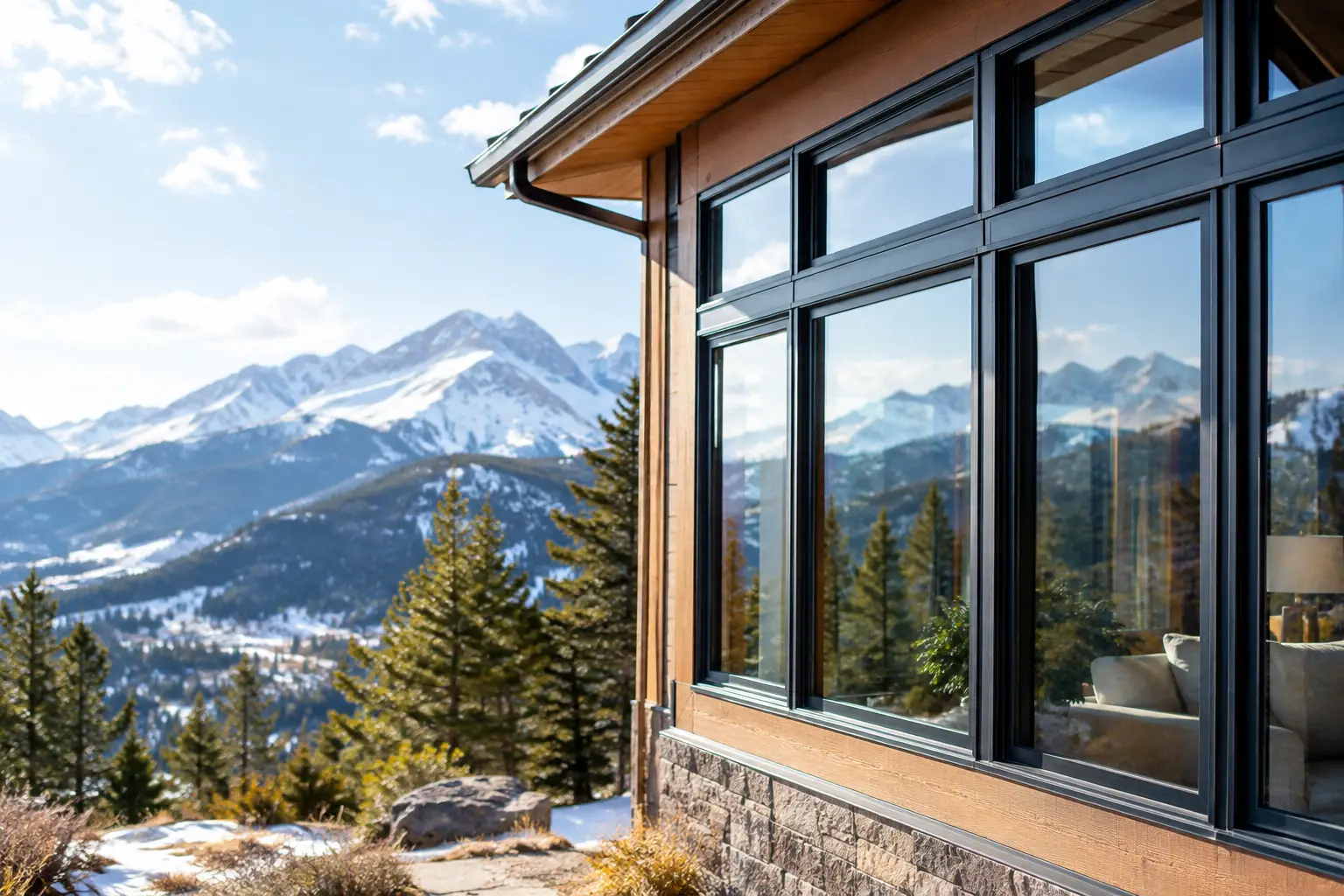
Colorado homes can see bright sun, freezing nights, dry air, hailstorms, and sudden temperature swings in the same week. Choosing the best windows for Colorado climate is not just about finding a style you like. It is about building a better barrier between your home and the weather outside.
For Denver-area homeowners, the right replacement windows can reduce drafts, help rooms hold a more consistent temperature, protect furnishings from intense UV exposure, and improve the appearance of the home. The wrong product, or a quality product installed poorly, can leave you with many of the same comfort and efficiency problems you hoped to solve.
Why Colorado Weather Is Hard on Windows
Colorado’s elevation and abundant sunshine create conditions that demand more from a window system. High-altitude UV exposure can fade flooring, furniture, and interior finishes over time. Strong sun also heats glass and frames during the day, while nighttime temperatures can fall quickly. That repeated expansion and contraction puts stress on window materials, seals, and surrounding trim.
Winter adds another challenge. Cold outdoor temperatures make weak windows feel cold to the touch and can contribute to condensation along the glass or frame. In summer, west- and south-facing rooms may become uncomfortable when windows allow too much solar heat inside.
Wind, hail, and snow are also part of the local picture. A replacement window should be built for more than a mild forecast. It needs a durable frame, tightly sealed glass package, dependable hardware, and professional installation that accounts for the home’s existing openings.
The Best Windows for Colorado Climate Start With the Frame
The frame material affects insulation, maintenance, appearance, and long-term durability. There is no single right choice for every house, but homeowners should understand the practical differences before comparing quotes.
Vinyl windows offer strong value and efficiency
High-quality vinyl replacement windows are a popular choice for Colorado homes because they are energy efficient, low maintenance, and available in many styles. Insulated multi-chamber frames help limit heat transfer, and quality vinyl will not need routine painting or scraping.
Not all vinyl is equal. Lower-grade frames can be thinner, less rigid, and more likely to show wear over time. Look for a well-built frame, reinforced construction where needed, durable weatherstripping, and strong welded corners. Color matters, too. Dark exterior finishes can be attractive, but they should be engineered to handle Colorado sun without excessive heat buildup or fading.
Fiberglass can suit demanding openings
Fiberglass windows are known for strength and dimensional stability. They can be a good fit for homeowners who want a more rigid frame, larger window configurations, or a painted appearance. Fiberglass generally expands and contracts less than vinyl, which may appeal in areas with significant daily temperature changes.
The trade-off is cost. Fiberglass often carries a higher price than vinyl, and the best value depends on your home’s design, window sizes, and performance goals. A well-made vinyl window can be an excellent solution for many projects, while fiberglass may make sense when strength, finish options, or architectural requirements take priority.
Choose Glass for Both Cold and Sun
A window’s glass package does much of the work when it comes to comfort. Double-pane insulated glass is standard for most quality replacement projects, but the coatings and gas fills between the panes make a meaningful difference.
Low-E glass has a nearly invisible coating designed to manage heat transfer and UV exposure. In Colorado, that means it can help retain indoor heat during winter while reducing unwanted solar heat gain during warmer months. It also helps protect interior furnishings from fading.
The right Low-E option depends on the direction a window faces. South- and west-facing glass may benefit from stronger solar control, especially in rooms that get hot in the afternoon. A more balanced glass package can be better for other elevations where homeowners want daylight and winter warmth without excessive heat gain. This is one reason a whole-home recommendation should not be limited to a single product label or a one-size-fits-all U-factor.
Argon gas between panes is another common feature in efficient windows. It improves insulating performance over ordinary air fills. Triple-pane glass may provide additional comfort and noise reduction, particularly in bedrooms, large openings, or homes near busy roads. However, triple-pane is not automatically necessary for every Colorado home. It adds weight and cost, so it should be considered alongside the home’s exposure, existing comfort issues, and budget.
Look Beyond the U-Factor
Window ratings are useful, but they are most helpful when viewed together. The U-factor measures how readily a window transfers heat. Lower numbers generally indicate better insulating performance. Solar Heat Gain Coefficient, or SHGC, indicates how much solar heat passes through the glass. Lower SHGC can help control summer heat, while a moderate rating may be beneficial where winter sun is welcome.
Air leakage is equally important. A window can have efficient glass and still feel drafty if the operating sash, weatherstripping, locks, or installation details allow air to move around it. Ask how the complete window system performs, not just the center-of-glass rating.
For Colorado homeowners, the practical goal is a window that keeps rooms more even, minimizes cold spots near glass, and helps the HVAC system work less hard. The best rating on paper is only valuable when it matches the home and is installed correctly.
Select Styles That Fit How You Use Your Home
Performance should come first, but operation and appearance still matter. Double-hung windows are familiar and versatile, with sashes that can tilt inward for cleaning. Casement windows seal tightly when closed and can be especially useful for catching breezes in kitchens, bedrooms, and living areas. Sliding windows work well in openings where an outward-swinging sash would be inconvenient.
Picture windows maximize views and daylight because they do not open, making them a natural choice for Colorado’s mountain and Front Range scenery. They are often paired with operable windows to provide ventilation nearby. Bay and bow windows can add dimension and light, but they require careful structural planning and weatherproofing.
Think about cleaning access, furniture placement, egress needs, and how each room is used. A good window plan should feel natural to live with, not simply look good from the street.
Installation Is Part of the Window’s Performance
Even premium replacement windows cannot compensate for inaccurate measurements, poor flashing details, or gaps around the frame. Installation affects air sealing, water management, operation, and the finished appearance of interior and exterior trim.
A skilled installation team begins by evaluating the condition of the existing opening. Rotting wood, water damage, out-of-square framing, or failing exterior trim should be addressed rather than covered up. The new window must be properly sized, securely fastened, insulated around the perimeter, and sealed in a way that manages water without trapping it where it does not belong.
This is especially important after Colorado’s freeze-thaw cycles and wind-driven storms. Dependable craftsmanship means paying attention to details that are not always visible once the job is complete.
Veteran Windows and Doors helps homeowners compare custom ProVia replacement window options with straightforward product guidance, transparent pricing, and no-pressure consultations. The goal is to recommend the right system for the house, not push a feature that does not serve the project.
How to Make a Confident Window Decision
Start with the problems you want to solve. Are certain rooms too hot in summer? Do you feel cold air near the windows in winter? Is outside noise disruptive? Are frames damaged, difficult to operate, or visually dated? Your answers help determine whether frame upgrades, solar-control glass, triple-pane construction, or a different window style will provide the greatest value.
Then compare complete proposals carefully. Confirm the window manufacturer and series, frame material, glass package, hardware, exterior finish, warranty coverage, and installation scope. A lower price may leave out needed trim work, repairs, or performance features. A higher price should also come with a clear explanation of what you are receiving and why it fits your home.
The right replacement windows should make your home feel more comfortable without making the process complicated. Take time to evaluate the product, the installer, and the details behind the quote. A well-planned upgrade can protect your home from Colorado weather for years while making every room more enjoyable to use.

0 Comments