
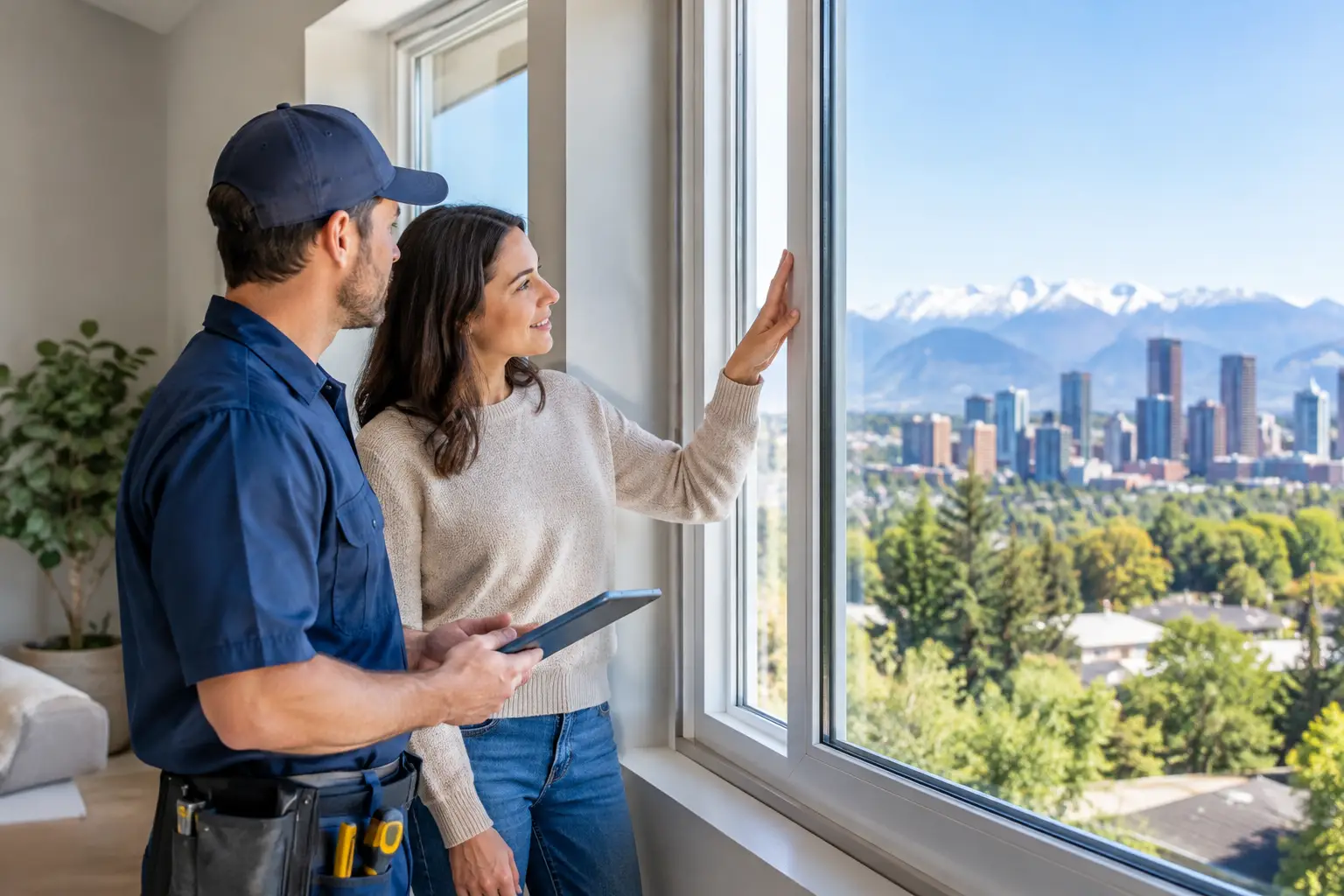
A window that fogs between the panes, rattles in a winter wind, or leaves a room noticeably colder is more than a cosmetic concern. It is often a sign that your home’s exterior envelope is no longer doing its job. When researching window replacement cost Denver homeowners will quickly find a wide range of prices. That range is real because replacement windows are custom-built products, and the right solution depends on your home’s openings, performance needs, and installation requirements.
For a standard replacement window in the Denver area, homeowners may see installed pricing begin around $700 to $1,400 per window for straightforward vinyl options. Larger openings, upgraded glass packages, premium materials, specialty shapes, and detailed trim work can move pricing to $1,500 to $3,000 or more per window. A whole-home project can range from the low five figures to substantially more, depending on the number and type of windows involved.
The useful question is not simply, “What is the cheapest window?” It is, “What will this window and its installation do for my home over the next several decades?” A clear proposal should help you answer that question without pressure.
What Drives Window Replacement Cost in Denver?
The window itself is only one part of the investment. Every home has different measurements, wall conditions, architectural details, and access challenges. Denver’s intense sun, high elevation, temperature swings, hail exposure, and winter weather also make glass selection and proper installation especially important.
Window material and construction
Vinyl replacement windows are a popular choice because they provide solid insulation, low maintenance, and dependable value. The quality difference between entry-level and premium vinyl is meaningful, however. Frame construction, welded corners, reinforcement, weatherstripping, hardware, and the ability to hold up over time all affect both price and performance.
Fiberglass and composite window options typically cost more, but they may be a strong fit for homeowners seeking added strength, stability, or a particular appearance. Wood-clad products can also be appropriate for certain architectural styles, though they generally require a larger budget. The best material is not always the most expensive one. It is the one that fits the home, the opening, and the homeowner’s long-term priorities.
Glass packages built for Colorado conditions
Glass has a major effect on comfort and cost. A basic insulated glass unit may be adequate for some situations, while other exposures benefit from Low-E coatings, argon gas fills, warmer-edge spacers, or triple-pane construction.
For example, a large west-facing wall of glass may need stronger solar control to reduce afternoon heat and glare. A bedroom facing a busy street may benefit from glass choices that help reduce outside noise. Triple-pane windows can improve comfort in certain applications, but they are not automatically the right answer for every opening. They add cost and weight, so the decision should be based on the home rather than a one-size-fits-all sales pitch.
Style, size, and custom shapes
A standard double-hung or slider window is generally less expensive than a large picture window, bay or bow window, casement, awning, garden window, or custom geometric shape. Larger units require more material and often more labor to handle safely and install correctly.
Operational styles matter, too. Casement windows offer excellent ventilation and a tight seal when closed, but their hardware and construction are more complex than a fixed picture window. Bay and bow windows involve structural support, exterior finishing, roofing details, and interior trim work. Their cost reflects a more involved remodeling project, not just a different window shape.
Installation scope and existing conditions
Precise installation protects the value of a premium window. During an in-home assessment, an experienced contractor should look beyond the visible frame. They should evaluate sill condition, exterior cladding, interior trim, wall depth, water management, and signs of prior moisture damage.
A straightforward insert installation can be an efficient option when the existing frame is sound and the opening is properly prepared. In other homes, full-frame replacement may be the better path because it allows the installer to address hidden issues, improve insulation around the opening, or preserve the correct look of the home. Full-frame work usually costs more, but it can be the smarter investment when the old frame, trim, or flashing needs attention.
Access can also affect labor. Second-story openings, steep landscaping, difficult exterior access, and large glass units require added planning. Those details are not necessarily problems, but they should be accounted for upfront rather than appearing as surprises after the project starts.
How to Compare Window Quotes Fairly
A low number at the bottom of a proposal does not tell the whole story. When comparing quotes, make sure each contractor is quoting a similar scope of work. One proposal may include upgraded glass, exterior trim, disposal, interior finish work, and warranty coverage, while another may leave those items out.
Ask which window series is being proposed, what glass package is included, whether the price covers installation materials and finishing, and how the contractor handles damaged trim or concealed conditions. You should also understand who is responsible for measurements, ordering, installation, and service after the job is complete.
This is where transparent pricing matters. A professional consultation should explain the choices that increase cost and the choices that simply do not add meaningful value for your home. Homeowners deserve time to review a proposal, compare options, and make a decision without artificial deadlines or high-pressure tactics.
When Higher-Priced Windows Make Sense
Paying more can be worthwhile when it solves a real problem. A homeowner with fading floors and hot rooms may benefit from a better solar-control glass package. Someone replacing failing builder-grade windows may place a high value on stronger hardware, improved weatherstripping, and a more substantial warranty. A historic or architecturally distinctive home may need custom sizing and carefully matched trim.
At the same time, a more expensive product is not automatically a better value. If a window is rarely used, protected by a covered porch, and located in a mild exposure, a simpler configuration may perform well. The goal is to put the budget where it improves comfort, durability, appearance, and daily use.
Replacement windows can also be part of a larger exterior plan. If you are considering a new entry door, sliding patio door, or French patio door, coordinating finishes and scheduling may create a more cohesive result. It can also help the installer plan transitions between products more carefully.
The Long-Term Value Behind the Price
Energy savings matter, but they should be viewed realistically. New windows can reduce drafts, improve interior surface temperatures, and make rooms more comfortable near the glass. Those improvements may lower heating and cooling demand, especially when replacing severely inefficient or damaged windows. The exact utility savings depend on the existing windows, the home, thermostat habits, insulation levels, and local energy costs.
Comfort, reliability, and reduced maintenance are often the more immediate benefits. Windows that open smoothly, lock securely, resist air leakage, and fit the home properly can make a noticeable difference every day. Quality replacement windows may also strengthen curb appeal and support resale value, particularly when the old units are visibly worn or mismatched.
For Denver homeowners, the most dependable way to understand project cost is a detailed, no-pressure assessment of the actual home. Veteran Windows and Doors can help translate measurements, climate exposure, window styles, and performance goals into a clear custom proposal. A careful plan today gives your home a better chance of staying comfortable, efficient, and protected through the Colorado weather ahead.

0 Comments