
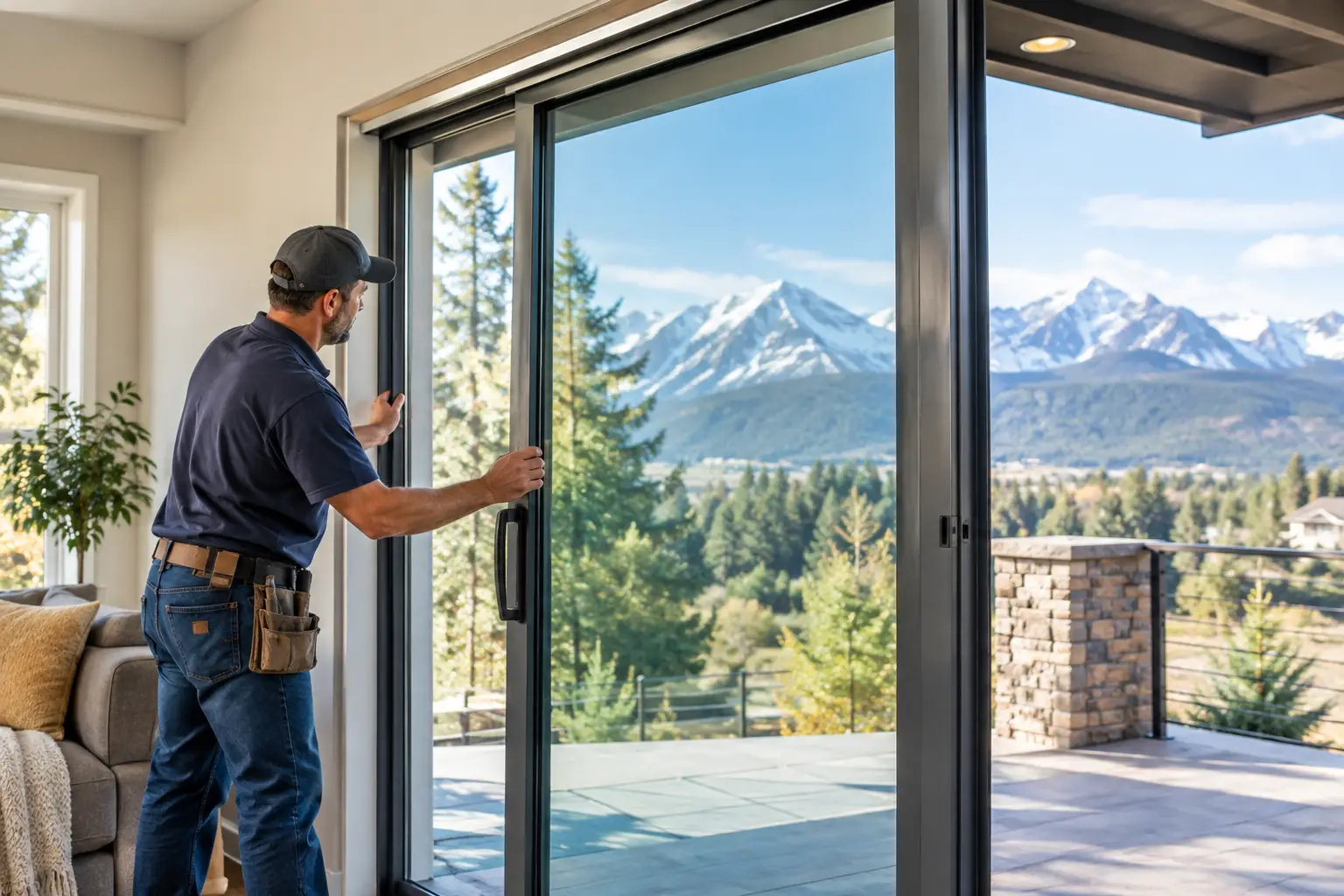
A patio door should make it easy to enjoy the view, step outside, and bring natural light into your home. When it sticks in its track, lets in cold air, collects condensation, or no longer locks with confidence, it becomes a daily frustration instead. A sliding patio door replacement can restore that connection to your outdoor space while improving comfort, energy efficiency, security, and the appearance of the room.
For Denver and Colorado homeowners, this is not simply a style decision. Patio doors face intense sun, sudden temperature changes, wind, snow, and dry conditions that can expose weaknesses in aging frames, glass, weatherstripping, and installation. Choosing a quality door is essential, but selecting the right configuration and having it installed with care matter just as much.
When a Sliding Patio Door Replacement Makes Sense
Some door issues can be addressed with track cleaning, roller adjustment, or new weatherstripping. Those repairs are worthwhile when the door itself is structurally sound. But repeated problems often point to a door that has reached the end of its useful life.
Drafts around the frame are one of the clearest signs. You may notice a cold zone near the door in winter, excessive heat near the glass during summer afternoons, or a room that never seems to stay at a comfortable temperature. Worn seals and older glass packages can allow more heat transfer than a modern replacement door.
Operation is another practical indicator. A sliding panel should move smoothly without requiring a hard pull, lifting, or shoulder pressure. If the track is bent, the rollers repeatedly fail, or the panel has sagged, repairs may only postpone a larger issue. A door that no longer latches securely or has visible frame damage deserves prompt attention for both security and weather protection.
Condensation between glass panes is also a replacement signal. It usually means the insulated glass seal has failed. The door may still open and close, but it has lost a key part of its insulating performance and will often look permanently foggy.
What a New Patio Door Can Improve
The most noticeable benefit of a well-chosen replacement door is usually comfort. Modern insulated glass, properly fitted weatherstripping, and a tightly installed frame help reduce drafts and limit heat gain from strong Colorado sun. That can make the adjacent family room, kitchen, or dining area more usable throughout the year.
Energy efficiency depends on the entire door system, not one specification. Glass coatings, gas fills, frame materials, glazing options, and the direction your door faces all affect performance. A large west-facing opening may benefit from glass designed to manage solar heat, while a shaded north-facing opening may call for a different balance of light and insulation. The best choice is specific to your home rather than a one-size-fits-all package.
A replacement can also strengthen security. Look for a sturdy frame, dependable locking hardware, reinforced meeting rails, and smooth operation that lets the panel close and latch fully. Security features work best when the door is measured accurately and installed squarely. Even premium hardware cannot compensate for a poorly fitted unit.
There is also the visual benefit. A fresh patio door can brighten a dated room, frame a backyard view more cleanly, and coordinate with replacement windows, an entry door, or exterior finishes. Narrower sightlines may maximize glass area, while grille patterns and interior finishes can help the door fit a more traditional design.
Choosing the Right Sliding Patio Door
Sliding patio doors are popular because they provide wide glass areas without requiring clearance for a swinging panel. They are especially practical on patios, decks, and rooms where furniture placement is tight. Still, there are several decisions to make before ordering a custom door.
Size and Configuration
A standard two-panel door has one fixed panel and one operating panel. Wider openings may accommodate three- or four-panel configurations, including center-opening designs. The right layout depends on the existing opening, traffic flow, view, and how often you move furniture, grills, or outdoor items through the doorway.
If you want a more traditional appearance or a larger clear opening, French patio doors may be worth considering. They can provide a different architectural look, but they need room for panels to swing. A sliding door is often the better fit where exterior space is limited or where you want an uncomplicated transition to the patio.
Frame Material and Finish
Durable vinyl patio doors are a strong option for many Colorado homes because they offer low maintenance and good insulating properties. Quality matters here. A well-built door should have a rigid, well-engineered frame, dependable corners, and components designed for long-term use.
Color and finish should support the rest of the home, but practical concerns matter too. Dark exterior finishes can create a striking contrast, while lighter colors often suit more traditional exteriors. Ask how the finish is made to perform under high-altitude UV exposure, especially on unshaded elevations.
Glass Built for Your Home
Glass takes up most of a patio door, so its performance has a direct effect on comfort. Low-emissivity coatings help manage heat transfer, and insulated glass units add a layer of protection between indoor and outdoor temperatures. Privacy glass, tempered safety glass, and decorative grids may also be appropriate depending on the location and style of the home.
There are trade-offs. Glass designed to reduce solar heat gain can make a sunny room more comfortable, but homeowners who want maximum passive warmth from winter sun may prioritize the glass package differently. An honest, no-pressure consultation should account for orientation, shade, room use, and your comfort goals before recommending a configuration.
Installation Is Part of the Door’s Performance
A replacement patio door is only as dependable as the installation behind it. The work begins with precise measurements, including the opening itself, floor conditions, wall depth, and any signs of water damage around the existing frame. Ordering a custom-fit door without understanding those details can create avoidable problems later.
During installation, skilled installers remove the old unit carefully, inspect the rough opening, address minor issues that affect fit, and prepare the sill and surrounding area for proper weather protection. The new frame must be level, plumb, and square so the panel glides properly and the lock aligns as intended.
Insulation and sealing around the frame are equally important. The goal is to control air and water movement without restricting the door’s operation. Interior and exterior trim should be finished cleanly, but appearance should never take priority over correct flashing, sealing, and drainage details.
At Veteran Windows and Doors, that full-project approach helps homeowners move from product selection through installation with one accountable team. The focus is not on pushing a quick sale. It is on matching premium ProVia patio door options to the home, then installing them with dependable craftsmanship.
What Affects Replacement Cost
There is no responsible single price for every sliding patio door replacement. The cost changes with the size of the opening, door configuration, glass package, finish, hardware, structural conditions, and the extent of trim or repair work needed around the existing opening.
A standard-size replacement in a sound opening is generally more straightforward than enlarging an opening, correcting hidden rot, or changing from a sliding door to a hinged French door. Higher-performance glass and upgraded finishes may add to the initial investment, yet they can be worthwhile when comfort, durability, and long-term appearance are priorities.
Transparent pricing should explain what is included: the custom door, removal and disposal of the old unit, installation materials, trim work, labor, and warranty coverage. If a contractor cannot clearly describe the scope, it is difficult to compare proposals fairly.
Prepare for a Smooth Installation Day
Most patio door installations are completed efficiently, but a little preparation makes the process easier. Clear furniture, rugs, and fragile items away from the work area. Make a plan for pets, since the opening will be temporarily exposed during removal and installation. If the door leads to a frequently used outdoor space, move needed items beforehand.
Your installer should walk you through the finished door, demonstrate the lock and operating panel, and answer questions about cleaning and basic maintenance. Keep tracks free of grit and leaves, clean weep holes as recommended, and avoid harsh abrasives on frames or glass. Those simple steps support smooth operation over time.
A patio door should never be the spot in your home where you feel a draft, struggle with a lock, or hesitate to invite guests outside. The right replacement brings back the simple value of a door that opens smoothly, closes securely, and helps your home feel comfortable in every Colorado season.

0 Comments