
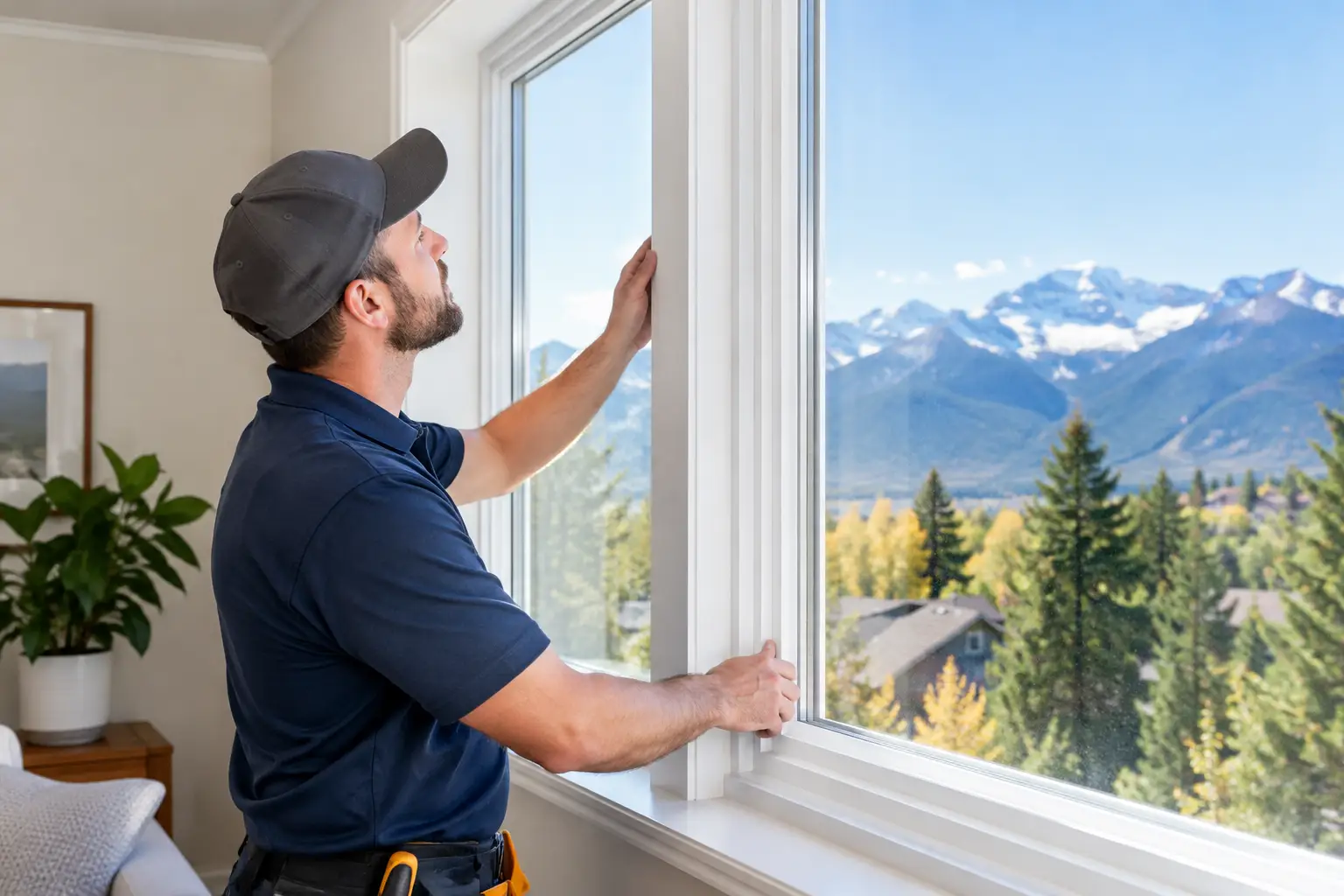
A sunny Denver afternoon can heat a west-facing room quickly. Hours later, a sharp temperature drop can expose every draft around an aging window. That is why energy efficient replacement windows Colorado homeowners choose must do more than look good from the street. They need to manage intense sun, cold winter nights, dry air, wind, and the day-to-day movement of a home.
For many homeowners, the first sign of trouble is not a broken pane. It is a bedroom that never feels comfortable, furniture fading near a window, condensation on the glass, or heating and cooling equipment working harder than it should. A well-planned window replacement can address those concerns while improving curb appeal, operation, and long-term confidence in the home.
What Makes a Replacement Window Energy Efficient?
Energy efficiency is a system, not a single feature printed on a product label. Glass packages, frame construction, weatherstripping, spacers, hardware, sizing, and installation all affect how a window performs after it is in your wall.
The most useful starting point is the NFRC performance label. It provides standardized ratings that make it easier to compare similar products. U-factor measures how readily a window transfers heat. Lower numbers generally mean better insulation. Solar heat gain coefficient, or SHGC, measures how much solar heat passes through the window. Visible transmittance indicates how much daylight comes through the glass.
Those numbers matter, but the lowest rating is not automatically the best choice for every opening. A large south- or west-facing window may benefit from managing solar gain differently than a shaded north-facing window. Homeowners often want natural light, clear views, and winter warmth along with better efficiency. The right recommendation balances those goals rather than treating every room the same.
Glass packages built for Colorado conditions
Low-E glass has a nearly invisible coating that helps reflect heat while allowing useful daylight into the home. In winter, it helps retain indoor heat. In summer, it can reduce the amount of solar heat entering through the glass. Insulating glass units filled with argon gas can further improve thermal performance between panes.
Quality windows also use warm-edge spacer systems around the perimeter of the insulated glass unit. This area can be vulnerable to heat loss and condensation, especially when outdoor temperatures fall. Better spacers help improve edge-of-glass performance and support more consistent comfort near the window.
Frames and weatherstripping still matter
Glass earns much of the attention, but a window is only as effective as its full assembly. Well-designed vinyl frames, multi-chamber construction, tightly engineered sashes, and durable weatherstripping can reduce air movement around operable sections. For Colorado homeowners, that can mean fewer chilly drafts near a favorite chair or less dust entering during a windy day.
A replacement window should also operate reliably. Double-hung, casement, sliding, awning, picture, bay, and bow windows each have different strengths. Casement windows, for example, can provide a very tight seal when closed. Picture windows provide excellent views and no operable joints, but they do not offer ventilation. The best style depends on the room, wall opening, egress needs, and how your family uses the space.
Choosing Energy Efficient Replacement Windows in Colorado
Colorado’s climate asks a lot of a home. High elevation increases exposure to strong sunlight, while large swings between daytime and nighttime temperatures can test seals and materials. Snow, wind, and occasional hail add another layer of practical concern. Choosing windows designed for these conditions is a worthwhile investment, but matching the product to the home is just as important.
Start by looking at the problems you want to solve. If rooms feel cold in winter, insulation value and air sealing may be the priority. If afternoon sun makes a family room uncomfortable, glass selection and solar control deserve closer attention. If outside noise is a concern, glass thickness, laminated glass options, and overall window construction can help, though no replacement window can make a home completely silent.
Appearance should be part of the decision, too. Window grids, exterior colors, interior finishes, hardware, and frame profiles can preserve the character of a traditional home or give an updated exterior a cleaner look. Custom sizing is especially valuable in older Denver-area homes, where standard stock windows may not fit the opening or architectural proportions correctly.
Do not overlook the installation
Even premium windows can disappoint when installation is rushed or poorly planned. The existing opening must be measured accurately, prepared carefully, and evaluated for hidden damage or water concerns. The installer must create a weather-resistant connection between the new window and the surrounding wall while maintaining proper operation and a clean interior finish.
This is where homeowners should ask direct questions. Who measures the openings? How will the crew protect flooring and landscaping? What happens if deteriorated wood is found? How are exterior trim, insulation, flashing, and caulking handled? Clear answers are a sign of an organized contractor, not a sales pitch.
At Veteran Windows and Doors, the focus is on helping homeowners compare practical options through an honest, no-pressure consultation. Premium ProVia replacement windows can be customized for performance, style, and fit, then installed by skilled professionals who understand that careful workmanship is part of the product.
Signs It Is Time to Replace Older Windows
A window does not need shattered glass to be ready for replacement. Some warning signs are obvious, while others show up gradually in comfort and maintenance demands.
Consider a professional evaluation if you notice four or more of these common issues:
- Drafts, rattling, or cold glass surfaces near occupied areas
- Difficulty opening, closing, locking, or keeping windows in position
- Condensation between glass panes, which can indicate a failed seal
- Rotting wood, warped frames, cracked components, or persistent water staining
- Excessive exterior noise, fading furnishings, or rooms that overheat in direct sun
- A dated appearance that no longer fits the rest of the home
Not every issue requires replacing every window immediately. In some homes, a phased project makes sense. Homeowners may begin with the most damaged windows, the rooms with the greatest comfort problems, or highly visible front-facing openings. A whole-home project can offer a more uniform appearance and coordinated performance, but the right scope depends on the condition of the home and the budget.
How to Compare Window Proposals Fairly
Two proposals can look similar at first glance while representing very different products and installation standards. The lowest price may be appropriate for a basic need, but it may not include the same glass package, custom sizing, trim work, warranty coverage, or preparation required for a lasting result.
Ask each contractor to identify the window manufacturer and series, glass configuration, U-factor range, warranty details, and the work included around the opening. Confirm whether permits are needed and whether haul-away, cleanup, interior trim, exterior capping, or repair work are included. Transparent pricing should make it easier to understand what you are receiving without pressure to decide before you are ready.
It is also reasonable to ask about the crew’s experience with homes like yours. A newer suburban home and a century-old Denver home can present very different installation conditions. Dependable craftsmanship means recognizing those differences before installation day, not improvising after the old window comes out.
Comfort Is the Return You Notice Every Day
Energy-efficient windows can contribute to lower heating and cooling demands, but utility savings vary with the existing windows, home insulation, thermostat habits, orientation, and local energy costs. The daily return is often more immediate: fewer drafts, steadier room temperatures, easier operation, clearer views, and an exterior that feels cared for.
The right project begins with a careful look at your home rather than a one-size-fits-all recommendation. When you choose windows designed for Colorado conditions and pair them with precise installation, you are making a practical improvement that can serve your home through many changing seasons.

0 Comments